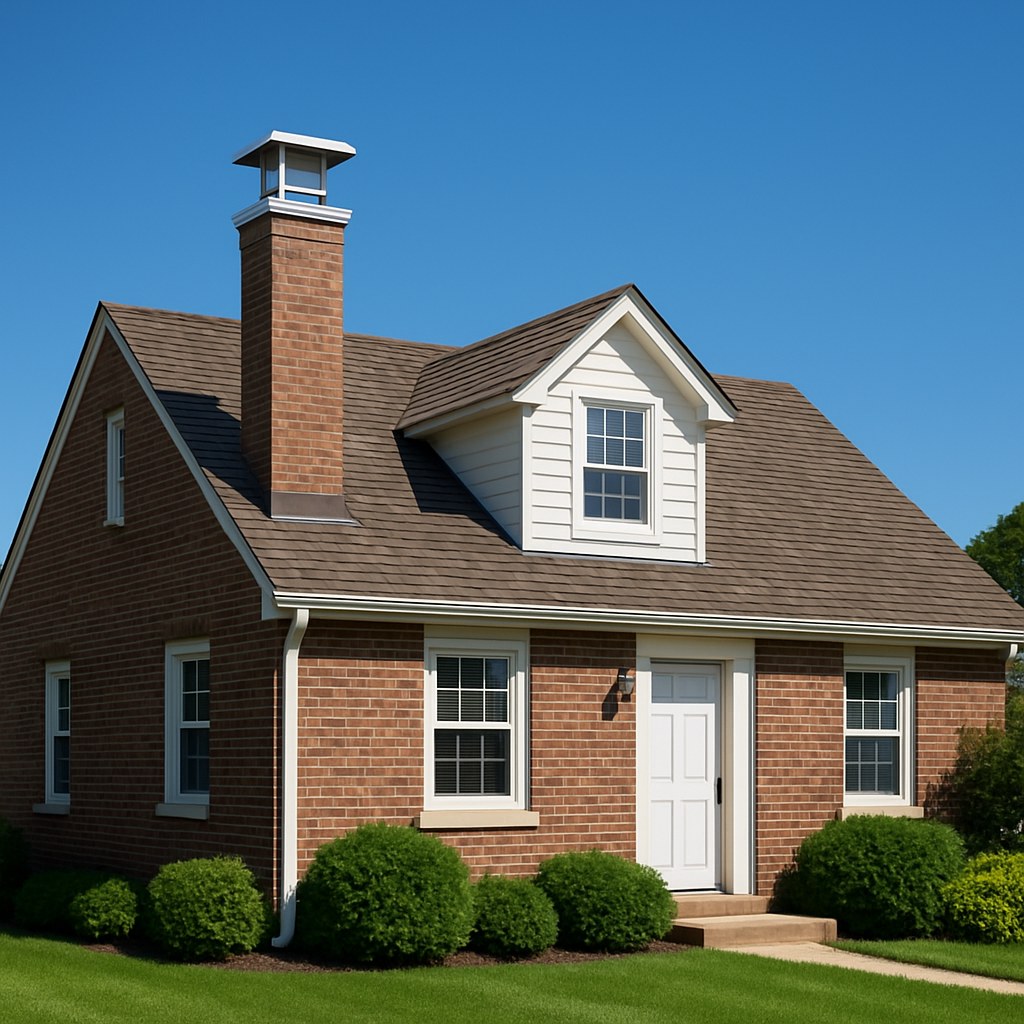
The cap on top of a Mooresville chimney is easy to forget because you can barely see it from the yard. It is a simple cover, usually metal mesh and a lid on a masonry chimney or a factory-made cap on a prefab system, and it does four jobs at once. When it rusts through, blows off in a storm, or was never fitted at all, each of those jobs fails quietly until the damage shows up somewhere more expensive.
A missing cap rarely announces itself right away. Rain enters a little at a time. An animal explores once and returns. A downdraft puffs smoke into the room on windy nights and gets blamed on the fireplace. Checking the cap on a calendar, rather than waiting for symptoms, is the cheapest habit a chimney owner can build.
What the cap is actually doing
First, it keeps animals out. Raccoons, squirrels, and chimney swifts all treat an open flue as shelter. Chimney swifts are federally protected and cannot be removed while nesting, so a cap fitted before spring nesting season prevents a summer-long standoff. Second, it keeps rain out. Water entering the flue rusts dampers and liners, soaks masonry from inside, and pools in the smoke shelf. Third, the mesh acts as a spark screen, reducing the chance that a floating ember lands on the roof or dry leaves in the gutter. Fourth, a well fitted cap reduces downdrafts by keeping wind from pushing straight down the flue, though it cannot fix a chimney that is too short or poorly located.
A cap calendar for the Piedmont year
| When | Check | What you are looking for |
|---|---|---|
| Early spring | Cap and mesh from the ground with binoculars | Storm damage, rust streaks, mesh gaps before nesting season begins |
| Late spring | Fireplace and damper area indoors | Animal noise, debris on the smoke shelf, a damper that no longer seals |
| Summer | Flue after heavy storms | Water stains, damp odor, rust on the damper and firebox metal |
| Fall, before first fire | Full chimney inspection including the cap | Secure fit, intact mesh, crown cracks near the cap base |
| Winter | Smoke behavior on windy days | Repeated downdrafts or smoke smell that may point to cap or height issues |
Signs the cap has already failed
Rust streaks running down the chimney chase or brick below the cap mean the metal is breaking down. White mineral staining and damp patches inside the firebox after rain point to water entry. Scratching, chattering, or a sudden strong odor in summer often means an animal is living in the flue. Pieces of nesting material or feathers on the hearth confirm it. A cap found on the lawn after a thunderstorm is the most direct sign of all, and the flue should be covered promptly before rain and animals find the opening.
Do not light a fire to drive an animal out. Smoke and heat can kill the animal in the flue, block the passage, and create a far worse problem. Wildlife in a chimney needs a humane removal first and a cap second, in that order.
Materials and fit
Stainless steel caps outlast galvanized ones, which eventually rust at the mesh and seams in humid Piedmont summers. Black galvanized caps blend with many chimneys but share the same life limit. Fit matters as much as material: a cap sized to the flue tile or a top-mount cap that covers the whole crown, secured properly, stays on in the summer thunderstorms that roll through Mooresville. A loose cap rattles, lifts, and eventually leaves.
Prefab chimneys use manufacturer caps matched to the pipe system, and substituting a generic cap can void clearances and trap heat. If your fireplace is factory-built, the replacement cap should match the system, not just the diameter. A sweep visiting for the annual inspection can confirm which type you have from the roof in a few minutes.
Pair the cap check with the annual inspection
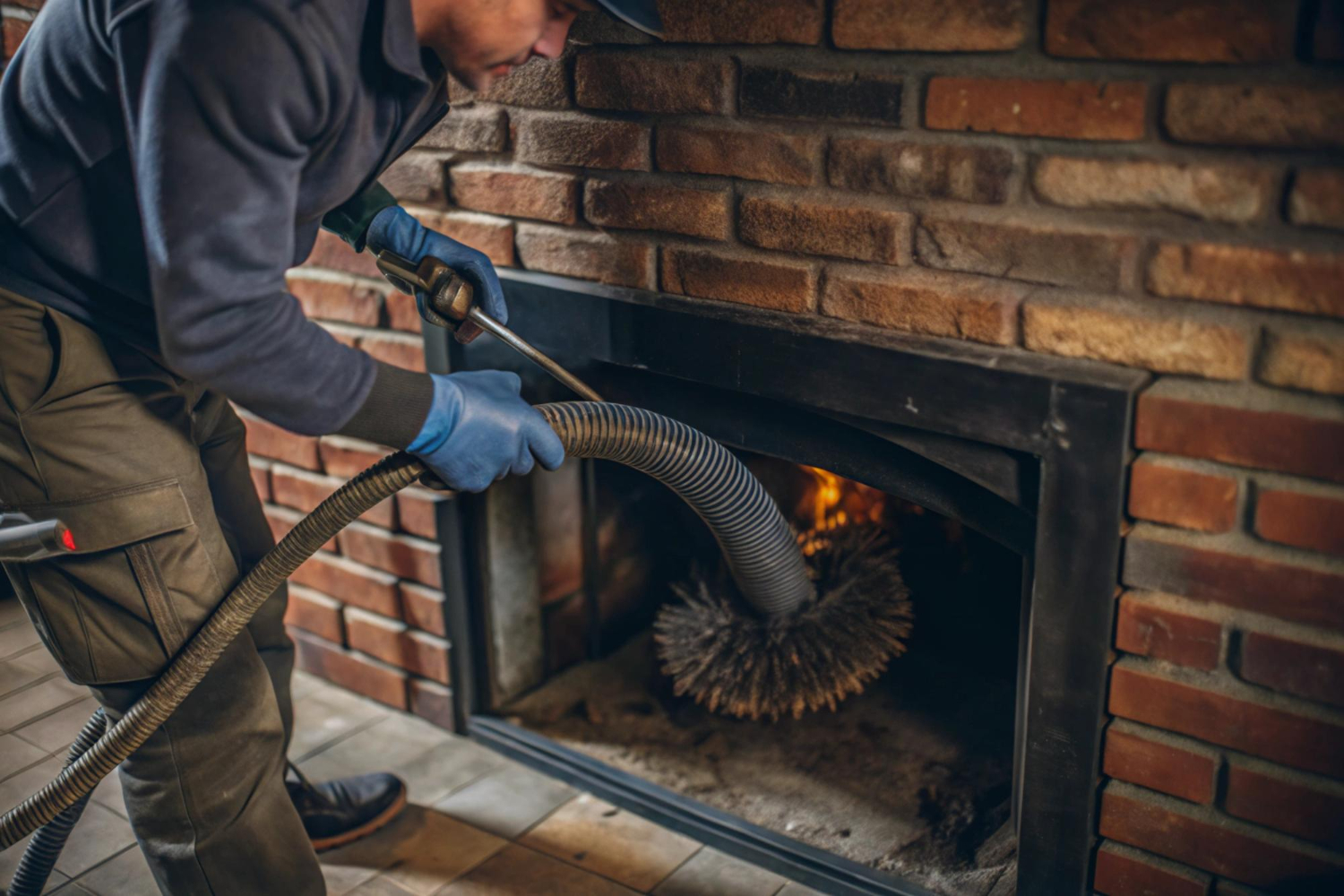
National fire guidance recommends an annual chimney inspection, and the cap belongs on that visit every time, since the sweep is already at the top of the chimney. Ask for a photo of the cap and crown. Seeing the mesh and the mounting for yourself turns an invisible part into a maintained one, and it gives services such as All Safe Chimney Sweeps and you the same record to compare next year.
Common questions
Can I install a chimney cap myself?
Homeowners comfortable on a roof sometimes do, but sizing, securing, and matching a prefab system are easy to get wrong. Most people have the cap fitted during the annual inspection, when a sweep is already equipped for the roof work.
Does a cap keep out all rain?
A cap stops rain falling straight down the flue, which is the largest share. Wind-driven rain can still enter in small amounts, and the crown and flashing handle the rest, so the cap is one part of a system.
What if chimney swifts are already nesting in my flue?
Leave them until the young have left, usually by fall, because swifts are protected. After they depart, have the flue cleaned and a cap fitted so the birds choose a different site next spring.
Photos in this guide are representative stock images.
← All guides from All Safe Chimney Sweeps← Back to All Safe Chimney Sweeps