Two fireplaces can sit on the same Mooresville street, look nearly identical from the couch, and share almost no parts. One is masonry, built on site from brick, block, and a clay tile flue. The other is prefab, a factory-built metal firebox and chimney pipe system installed as a unit. Knowing which one you own changes how you maintain it, what repairs cost in effort, and when replacement rather than repair is the honest answer.
The quickest test is to look inside. A masonry firebox is brick, often with visible mortar joints throughout. A prefab firebox has smooth metal or refractory panel walls, thin panels that line the box, and usually a metal damper plate and a round metal flue you can see looking up. Outside, a prefab chimney is often enclosed in a framed chase with siding rather than solid brick.
How each system is built
A masonry chimney is a structure. Footing, brick or stone exterior, clay tile liner sections stacked inside, a smoke chamber, and a brick firebox all age at different rates. Mortar fails first, then water reaches tiles and brick. Repairs are masonry repairs: repointing, crown work, tile or steel liner replacement. A well kept masonry chimney can serve for many decades, rebuilt piece by piece.
A prefab system is a product with a listed lifespan. The firebox panels, the double or triple wall pipe sections, the cap, and the chase cover are matched components tested together. Typical service life runs a few decades before rust and panel failure make the system obsolete, and parts for older models can be discontinued. When a prefab chimney pipe rusts through or panels crack beyond patching, the correct fix is system replacement, not improvisation with generic parts.
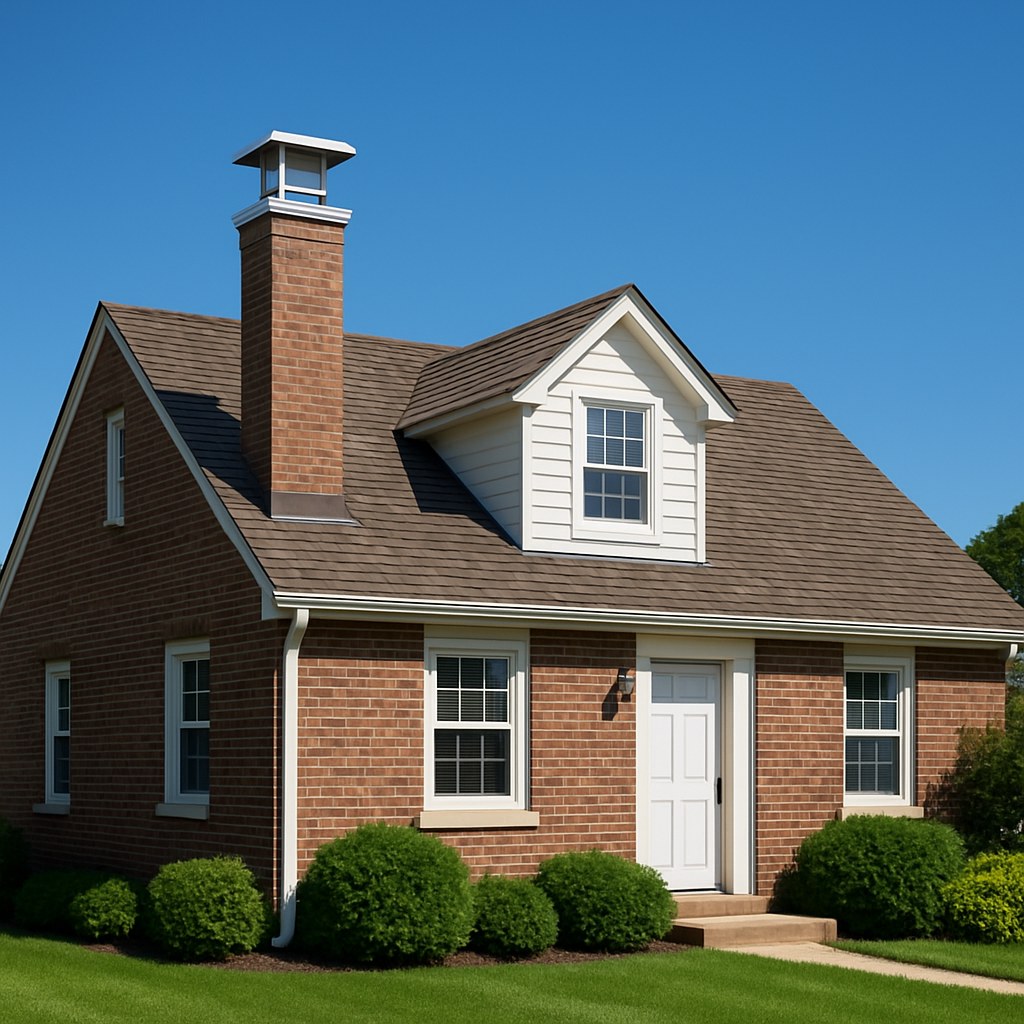
The parts that differ most
Chase covers are the prefab weak point. The flat metal cover on top of a framed chase sheds water for the whole chimney, and the galvanized covers fitted on many builds rust through, staining the siding below and letting water soak the chase framing. Stainless replacement covers end that cycle. Masonry has no chase cover; its equivalent is the crown, which cracks rather than rusts.
Dampers, caps, and liners differ too. A masonry flue takes standard caps sized to the tile and can be relined with stainless steel when tiles crack. A prefab flue needs its own listed cap and pipe sections, and a steel liner is not a substitute for its insulated pipe system. Mixing components across systems is a safety problem, not a shortcut.
What you can do yourself, and where the line is
- Identify your system. Look at the firebox walls and flue, check for a metal data plate inside the firebox or near the damper, and note whether the chimney outside is solid masonry or a sided chase.
- Inspect refractory panels if you have a prefab. Hairline surface texture is normal; cracks you can fit a coin into, crumbling, or panels worn thin mean the firebox needs professional assessment before further fires.
- Check the chase cover or crown from the ground. Rust streaks down a chase or visible crown cracks on masonry are early warnings you can spot with binoculars each spring.
- Keep water out. Clear leaves from the chase top area, confirm the cap is present, and report new staining after storms rather than waiting for the annual visit.
- Stop at the components. Do not swap caps, pipe, or panels between systems, patch cracked panels with furnace cement as a permanent fix, or burn the unit while a known vent defect waits for parts.
- Bring the identification to the annual inspection. Tell the sweep which system you believe you have and ask for confirmation and photos, so repair advice matches the fireplace you actually own.
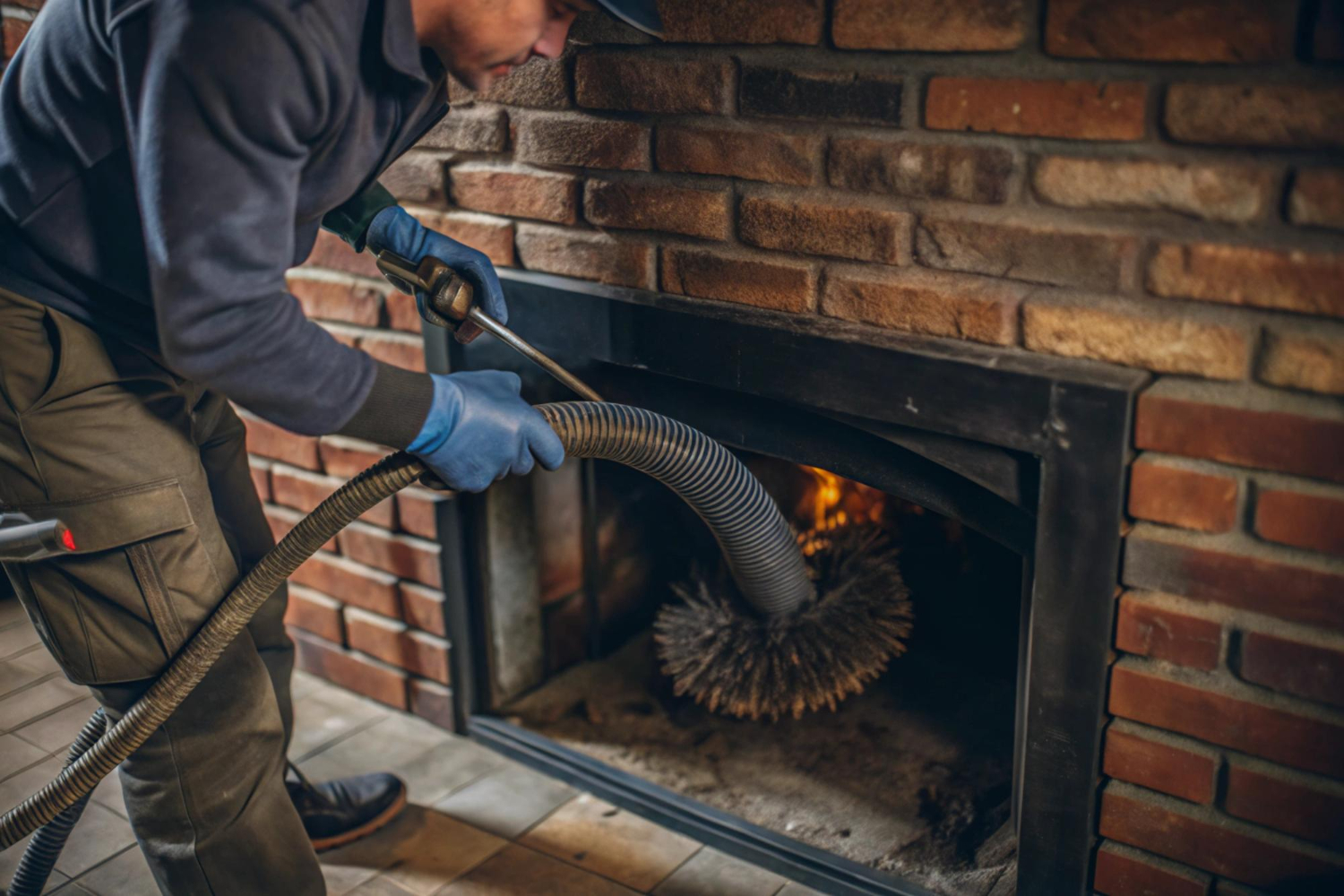
Lifespan and the repair decision
For masonry, the question is usually condition: sound brick and a relined flue can return an old chimney to full service. For prefab, the question is age plus parts: a younger unit with one failed panel is a repair, while an older unit with rusted pipe, a failed chase cover, and discontinued parts is a replacement conversation. A sweep who services both, such as All Safe Chimney Sweeps, can date a prefab system from its plate and tell you honestly which side of that line you are on.
Either way, the annual inspection rule holds for both animals. What changes is the checklist the inspector carries up the ladder, and the future you should plan for: masonry asks for steady masonry care, prefab asks for a replacement fund somewhere down the road.
Common questions
How do I know if my fireplace is prefab?
Check the firebox. Smooth metal or thin panel walls, a round metal flue, and a framed chase outside instead of solid brick all indicate a factory-built unit. A data plate inside the firebox confirms the model.
Can a prefab chimney be relined like a masonry one?
No. Prefab systems use listed insulated pipe, not a liner dropped into a masonry shaft. Damaged prefab pipe sections are replaced with matching components, or the system is replaced when parts are no longer available.
Why is there rust staining below my chimney chase?
The chase cover is the usual source. Galvanized covers rust through over time and stain siding as water runs off. Replacing the cover with stainless steel and checking the framing for water damage solves it.
Photos in this guide are representative stock images.
← All guides from All Safe Chimney Sweeps← Back to All Safe Chimney Sweeps