A gas fireplace in a Mooresville home feels maintenance-free. It lights with a remote, leaves no ash, and never needs a log carried in from the cold. That convenience hides a system with valves, vents, sensors, and a flue or vent pipe that still needs an annual look. Skipping service for years rarely causes a sudden failure. It causes a slow drift: harder starts, soot where it does not belong, and safety devices that go untested until the night they are needed.
If you have never had a gas fireplace serviced, the visit is simpler than most people expect. This walkthrough follows what actually happens, step by step, so a first-timer knows what a technician is doing and why each part matters.
What a gas fireplace service visit covers
- Arrival and a cold inspection. The technician confirms the unit is cool, turns off the gas at the appliance valve if needed, and removes the glass front, which on many models is also a safety barrier that must be handled and reseated correctly.
- Cleaning the firebox and logs. Dust, pet hair, and cobwebs are vacuumed and brushed out. Ceramic logs are lifted, cleaned gently, and checked for cracks, since damaged logs change flame patterns and produce soot.
- Checking the burner and pilot. Burner ports are cleared so gas flows evenly, the pilot assembly is cleaned, and thermocouple or thermopile output is tested so the safety system can hold the valve open only when a flame is truly present.
- Inspecting the venting. The technician checks the direct vent or flue for blockages, separated joints, rust, and animal nesting, and confirms outside termination is clear of shrubs and mulch buildup.
- Testing ignition and controls. The unit is relit, remote and wall switch operation are confirmed, flame appearance is evaluated for lazy yellow tipping and soot, and the glass is refitted with its gasket sealing properly.
- Safety checks and a summary. Carbon monoxide awareness is covered, detector placement is discussed, and you get a plain report of anything worn, cracked, or due for replacement before next season.

Between visits: what a homeowner can watch
You do not need tools to spot the early signs. A pilot that will not stay lit, a click that repeats without ignition, white film building on the glass, soot marks above the opening, or a rotten-egg odor at any time all deserve a call rather than repeated relight attempts. Dust is the quiet enemy: a summer of household dust settling on the burner makes fall startups unreliable, which is why many households schedule service in early fall before the first cold week in Mooresville.
Keep the area in front of the glass clear, and never store paint, cleaners, or firewood against the unit. Check that the carbon monoxide detector near sleeping areas has fresh batteries and is within its service life, since the detector is the backstop for any venting problem that develops between visits.
Carbon monoxide, in plain terms
A correctly vented gas fireplace sends its exhaust outside and draws combustion air as designed. Problems start when venting is blocked, joints separate, or the unit burns poorly for a long period. Carbon monoxide is colorless and odorless, so human senses do not warn you. That is the entire argument for the annual check: a technician with the unit open can see the blocked vent, the cracked log, and the failing sensor that no one can detect from the couch.
Ventless units deserve extra care. They release their combustion products, including water vapor, into the room by design and rely on an oxygen depletion sensor. Follow the maker's run-time guidance, keep the sensor and logs clean, and treat any headache or nausea pattern that matches fireplace use as a stop-and-call signal.
How often, and what it prevents
Annual service is the standard recommendation for gas fireplaces in regular use, aligned with the annual chimney and vent inspection guidance that covers wood systems. The visit prevents the common failures: ignition trouble on the coldest night, soot damage to logs and glass, and vent blockages from nesting and debris. It also keeps a record. If a unit is aging, year-to-year notes on valve and sensor condition let you plan a replacement rather than meeting it as an emergency. First-timers often book through All Safe Chimney Sweeps alongside a chimney inspection so both systems are covered in one trip.
Common questions
Does a gas fireplace chimney still need sweeping?
It does not build creosote the way wood does, but the vent still needs annual inspection and cleaning of dust, debris, and nesting. The service visit covers the vent along with the burner and controls.
Why does the glass on my gas fireplace turn white or cloudy?
Mineral film from combustion and dust bakes onto hot glass over time. A technician cleans it with the correct non-abrasive products during service. Household glass cleaners with ammonia can damage some fireplace glass coatings, so avoid them.
Is it normal for a gas fireplace to smell when first lit in fall?
A brief dusty smell on the first burn of the season is common as settled dust burns off. A persistent odor, a gas smell, or soot forming during use is not normal and should be checked before further use.
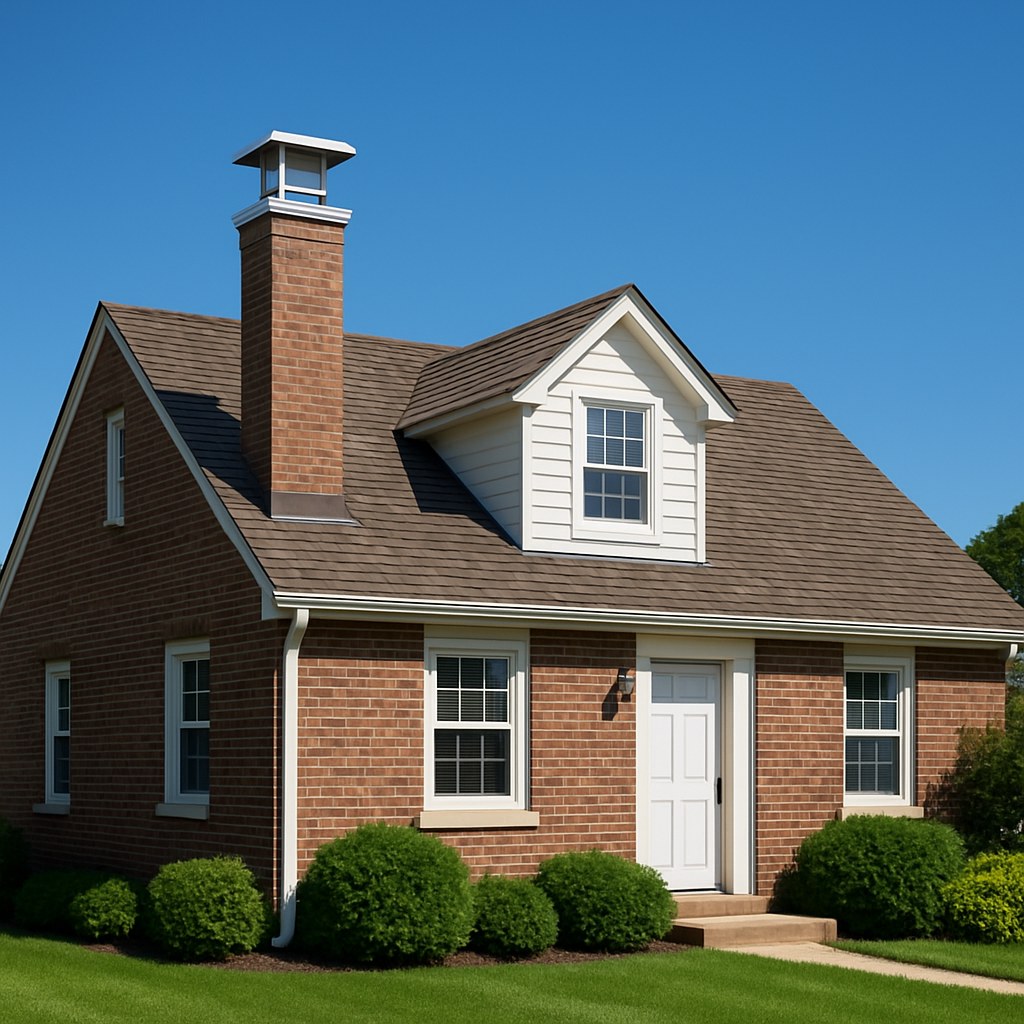
Photos in this guide are representative stock images.
← All guides from All Safe Chimney Sweeps← Back to All Safe Chimney Sweeps