Two Mooresville homeowners can burn the same stove, in the same winter, and end up with very different chimneys. One sweeps a modest amount of dry, flaky creosote. The other builds up the hard, glazed kind that resists brushing and carries real fire risk. The difference is rarely the stove. It is the moisture in the wood, and moisture is a choice made months before the first fire, at the woodpile.
Freshly cut wood is full of water. Burning it wastes heat boiling that water off, keeps flue temperatures low, and sends unburned vapors up the chimney to condense as creosote. Seasoned wood burns hotter and cleaner with the same effort. Waiting to fix a wet-wood habit has a compounding cost: each damp fire adds deposit that the next fire bakes harder.
The numbers that govern a clean burn
The 20 percent figure is the rule of thumb used across the hearth trade. Below it, wood lights easily, burns with bright flame, and leaves little smoke once established. Above 25 percent, hissing, smoldering, and heavy smoke are normal even in a good stove, because the fire is spending its energy on steam. A handheld moisture meter, pressed into the freshly split face of a log rather than the weathered end, settles arguments the bark and weight cannot.

Seasoned, green, and everything between
Seasoned means dried, not just old. A log left in a heap on the ground for a year can still be damp in the middle, because air never moved through the pile and ground moisture wicked in. Split wood dries far faster than rounds, since the split faces expose the interior. Stack splits bark up in the top layer to shed rain, off the ground on a rack or pallets, with the sides open to wind and only the top covered. A tarp wrapped around the whole pile traps humidity and slows the very drying it was meant to protect.
Species changes the timeline, not the target. Dense hardwoods such as oak give long, steady heat once dry and take the longest to get there, often a full year. Softer woods and many pines dry faster, in a single season, and burn quicker once lit. Kiln-dried wood skips the wait entirely and is a sound bridge for a household whose pile is not ready.
What wet wood does to the chimney, stage by stage
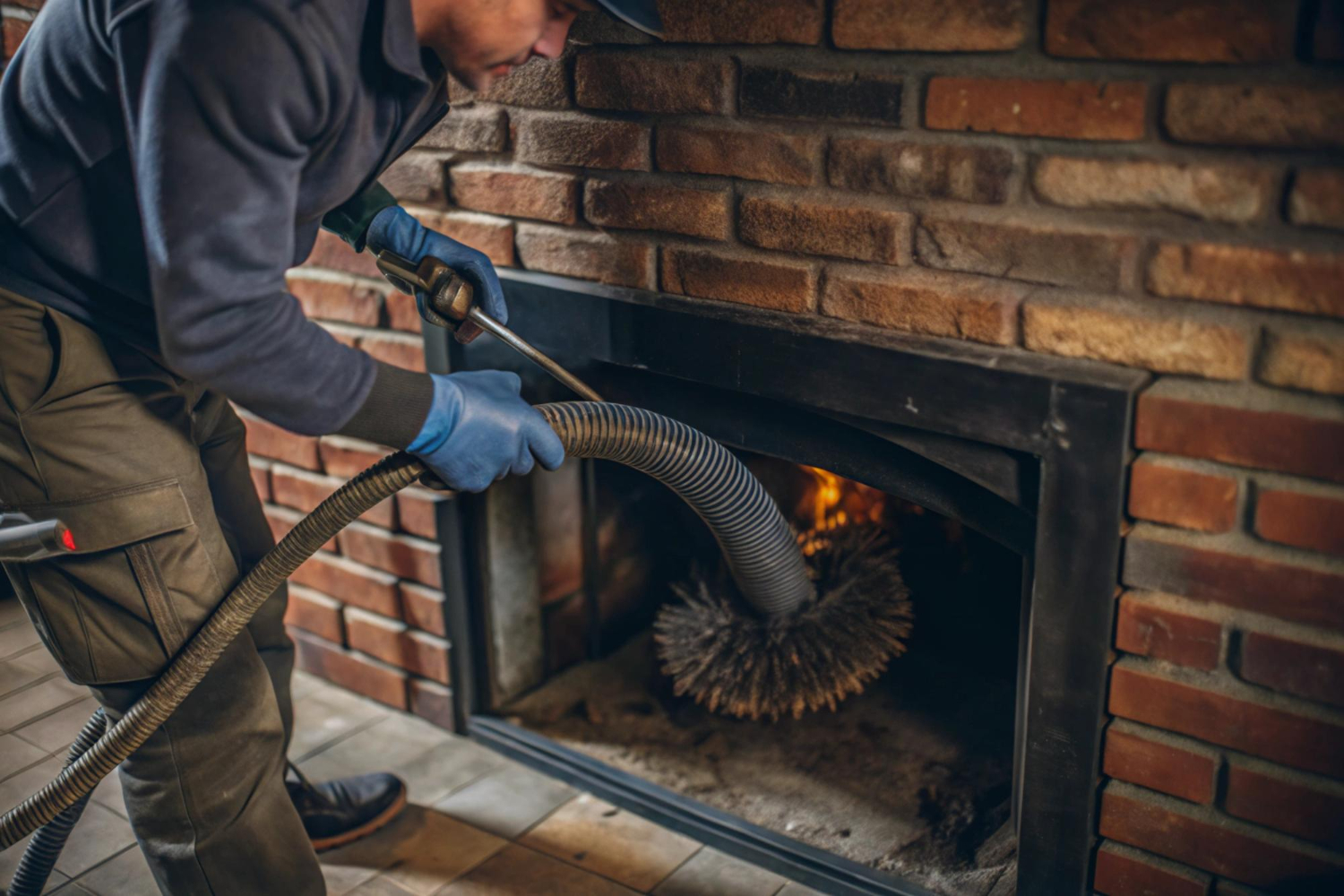
Creosote forms when wood vapors cool and condense inside the flue. Stage one is soot and dry flakes, removed by a normal sweep. Stage two is crunchy, tar-like deposit, heavier and slower to remove. Stage three is a hard glaze, shiny and baked on, which brushing barely touches and which needs specialized removal. Wet wood and cool, smoldering fires push a chimney toward stage three, and glazed creosote ignites readily in a hot fire, which is how a chimney fire starts in a system that was only ever used for cozy evenings.
The cost of neglect here is not abstract. A season of green wood can move a flue from a routine cleaning to a glazed-deposit job, and a chimney fire can crack tiles and liners, turning a maintenance visit into a relining project and a fire scare the household does not forget.
Building the pile you will thank yourself for
Buy or cut a season ahead. If you are lighting fires this winter, next winter's wood should already be split and stacked. Store the ready wood closest to the door and the green wood at the back of the rotation. Bring a few days of wood indoors or under cover before burning so surface rain and dew are gone even when the interior is dry. Never burn painted, treated, or plywood scraps, and skip the manufactured logs in a wood stove unless the stove maker allows them, since additives change deposit patterns.
If you inherit a pile of unknown age, test it. Split a log, meter the fresh face, and sort the pile by result rather than by hope. Burning the dry third now while the rest finishes drying beats a winter of smoky fires. When the annual sweep comes around, ask the sweep what the deposit looked like. That report, from services such as All Safe Chimney Sweeps, is the truest grade your woodpile will ever get.
Common questions
How can I tell if wood is dry without a meter?
Seasoned splits feel lighter, show cracks on the ends, and make a sharp clack rather than a dull thud when two pieces are struck together. Those signs help, but a meter reading on a fresh split is far more reliable.
Is it safe to burn pine in a fireplace?
Dry pine is safe to burn and lights easily. The old warning about pine comes from burning it wet or smoldering, which builds creosote. Dry, hot fires matter more than species alone.
My wood got rained on. Is it ruined?
No. Rain wets the surface, not the interior of seasoned wood. Stack it under cover for a few days and it returns to its prior moisture level. Wood ruined by moisture is wood that was never dried inside to begin with.
Photos in this guide are representative stock images.
← All guides from All Safe Chimney Sweeps← Back to All Safe Chimney Sweeps